
Why Copper and Tool Steel Plates Are Essential in Modern Manufacturing
In the intricate world of modern manufacturing, materials play a pivotal role in determining the efficiency, durability, and overall quality of products. Among these materials, copper and tool steel plates stand out due to their unique properties and applications.
The Importance of Copper in Manufacturing
Copper is more than just a metal; it’s a cornerstone of industrial progress. Its exceptional conductivity makes it crucial in electrical applications. Here are a few key points:
- Electrical Conductivity: Copper is the go-to material for wiring and electrical applications due to its outstanding ability to conduct electricity.
- Thermal Conductivity: It efficiently dissipates heat, making it integral in manufacturing components like heat exchangers.
- Chemical Resistance: Copper resists corrosion, thus prolonging the lifespan of various tools and equipment.
Tool Steel Plates: Strength in Design and Function
Tool steel plates are essential for creating tools and dies with high wear resistance and the ability to withstand heavy loads. Their significance cannot be understated:
| Property | Benefit |
|---|---|
| Hardness | Allows tools to maintain their shape during strong usage. |
| Toughness | Ensures that the tools can withstand the impact without cracking. |
| Wear Resistance | Increases the lifespan of the tools, reducing the need for replacements. |
How to Make Copper Blocks?
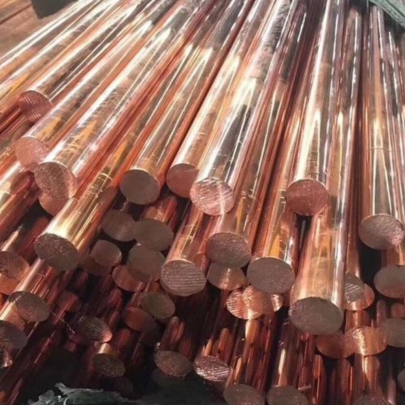
Producing copper blocks involves several stages, from material selection to final shaping. Here’s a simplified process:
- Material Preparation: Start with high-quality copper ingots for durability.
- Melting: Heat the copper until it liquefies.
- Molding: Pour the molten copper into molds to form blocks.
- Cooling: Allow the blocks to cool and set properly.
- Finishing: Machine the blocks to the desired dimensions.
How to Copper Plate Something?
Copper plating is a technique used to coat various materials with a layer of copper. Here are the common steps involved:
- Cleaning the Surface: Ensure the material is free of contaminants.
- Preparing the Electrolyte Bath: Use a solution with copper sulfate and sulfuric acid.
- Electroplating: Submerge the item in the electrolyte bath and pass an electric current.
- Rinsing and Drying: Rinse off the item to remove any residue after plating.
FAQs about Copper and Tool Steel
Q1: Why is copper preferred in electrical applications?
A1: Its exceptional electrical conductivity makes it ideal for wiring.
Q2: Can tool steel plates be used for more than just tools?
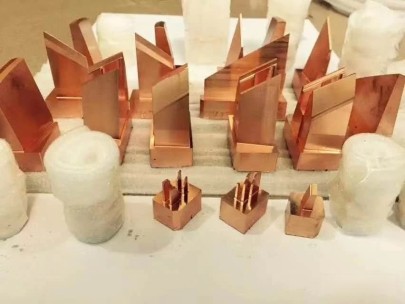
A2: Yes, they are also effective in creating molds and dies due to their hardness and durability.
Q3: How durable are copper blocks compared to other materials?
A3: Copper blocks offer excellent corrosion resistance and are quite durable when properly manufactured.
Conclusion
In modern manufacturing, the alliance between copper and tool steel plates creates a formidable force. Both materials contribute significantly to product quality and manufacturing efficiency. By understanding their properties and applications, manufacturers can make informed choices that lead to enhanced performance and durability.